


Non Woven Bag Machine
In 2012, the company launched the world's first non-woven box bag making machine; In 2016, the project pp 3D bag making machine research and development was successful in 2022, and successfully developed plastic 3D bag making machine in 2017; In 2023, a new structured paper square bottom bag making machine was launched, After completing the independent research and development of the four major 3D bag production equipment, we have become a professional manufacturer of packaging 3D bag mechanical equipment. The product is widely used in four major shopping bags and various product packaging bags.
Why Choose Us
Our Factory
Zhejiang Zhengwei Machinery Co., Ltd. was established in 2007 and located in the south Zhejiang coast, the East China Sealt. It is a famous Chinese machinery manufacturing city - Ruian City, Zhejiang Province.
R&D
The company adheres to the design concept of high efficiency and environmental protection, with the mission of reducing white pollution, and is committed to the research and development, production, manufacturing, sales, and service of equipment such as non-woven box bags, plastic 3D bags, new structure paper square bottom bags, and pp 3D bags. In long-term practice, the company has gradually formed a business philosophy with independent research and development, design and manufacturing capabilities as its positioning. So far, the company has more than 100 invention patents and new utility and appearance patents.
Rich Experience
In 2012, the company launched the world's first non-woven box bag making machine; In 2016, the project pp 3D bag making machine research and development was successful in 2022, and successfully developed plastic 3D bag making machine in 2017; In 2023, a new structured paper square bottom bag making machine was launched, After completing the independent research and development of the four major 3D bag production equipment, we have become a professional manufacturer of packaging 3D bag mechanical equipment.
Our Service
The company adheres to the service tenet of "ZWE offer the best service to win the trust of customers", and strives to create a new era in the 3D bag industry. Focusing on the future, consistently, based on innovation, and strives to create a new era in the three-dimensional bag industry.

Non Woven Bag Handle Sealing Machine
Model:ZW-FM600
Material: Non-woven/PP
Material Thickness:30-100g
Production Speed:30-100pcs/min
Max. Bag Length:850mm
Max. Bag Height:580mm
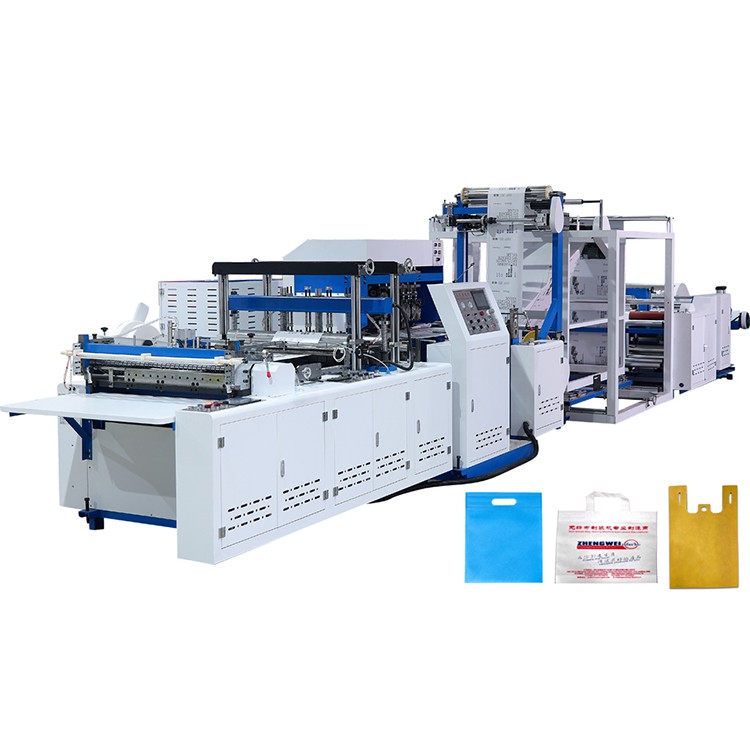
Model:ZW-FM600
Material:Non-woven/PP
Material Thickness:30-100g
Production Speed:30-100pcs/min
Max. Bag Length:850mm
Max. Bag Height:580mm

Cloth Carry Bag Making Machine
Model:ZW-FM600
Material:nonwovensNon-woven/PP
Material Thickness:30-100g
Production Speed:30-100pcs/min
Max. Bag Length:850mm
Max. Bag Height:580mm

W Cut Non Woven Bag Making Machine
Model:ZW-FMF600
Material:Non-woven/PP
Material Thickness:35-120g
Production Speed:30-120pcs/min
Max. Bag Length:1000mm
Max. Bag Height:580mm

Non Woven Bag Handle Punching Machine
Model:ZW-FMF600
Material:Non-woven/PP
Material Thickness:35-120g
Production Speed:30-120pcs/min
Max. Bag Length:1000mm
Max. Bag Height:580mm

Model:ZW-FMF600
Material:Non-woven/PP
Material Thickness:35-120g
Production Speed:30-120pcs/min
Max. Bag Length:1000mm
Max. Bag Height:580mm

Automatic Carry Bag Making Machine
Model:ZW-FMF600
Material:Non-woven/PP
Material Thickness:35-120g
Production Speed:30-120pcs/min
Gas Source:0.8㎡/min 1.0mpa
Total Power:15kW

Non Woven Bag Manufacturing Unit
Model:ZW-A9
Material:Non-woven(laminating)
Material Thickness;80-140g
Production Speed:40-60pcs/min
Bag Width:200-460mm
Bag Gusset:70-200mm

Non Woven Bag Making And Printing Machine
Model:ZW-A9
Material:Non-woven(laminating)
Material Thickness:80-140g
Production Speed:40-60pcs/min
Bag Width:200-460mm
Bag Gusset:70-200mm
Non Woven Bag Printing Machine adopts rubber plate or (photosensitive resin plate) as of plate printing machine, suitable forprinting roll material such packing materials as non woven fabric,plastic film, cellophane and roll paper, foil,aluminum etc. It is a kind of ideal printing equipment for producing paper packing bag for food, supermarkethandbag, vest bag and clothes bag, etc.
Advantages of Non Woven Bag Screen Printing Machine
Versatility and Compatibility
One of the key advantages of the bag printing machines is their versatility and compatibility with diverse bag materials. Whether it's non-woven, paper, plastic or other substrates, these machines are designed to accommodate a wide range of materials. They provide businesses with the flexibility to meet the diverse demands of the market. This versatility ensures that bag manufacturers can cater to different industries and consumer preferences. It expands their market reach and helps them stay competitive.
Enhanced Efficiency and Reduced Downtime
Bag printing machines contribute significantly to enhancing operational efficiency in the packaging industry. They minimize production downtime and increase the overall productivity of bag manufacturing processes. They enable businesses to meet tight deadlines and respond promptly to market demands.
Cost-Effectiveness and Waste Reduction
Investing in advanced bag printing machines translates into long-term cost-effectiveness for businesses. The machines offer cost-efficient solutions for both short and medium print runs. The ability to minimize setup times, reduce material wastage and optimize ink consumption, contributes to overall cost savings. The precise and consistent printing capabilities of these machines minimize the need for reprints which further reduces costs associated with errors and defects.
Environmental Sustainability
These machines play a vital role in promoting environmentally friendly practices. Non Woven Printing Machines, for instance, cater to the growing demand for reusable and eco-friendly bags.Moreover, the efficiency of these machines in handling various materials helps minimize material waste. It aligns with the principles of sustainable manufacturing.
How to Choose Non Woven Bag Screen Printing Machine
Design Complexity
The complexity of the design plays an important role in determining the appropriate printing technique. So, you need to choose a printing technique that can accurately reproduce the details and colors of your design.
Printing on non-woven fabric sometimes involves features like intricate patterns, gradients, or small text elements that require high precision and accuracy. In cases like this, you need to consider a printing process like digital printing that can replicate fine details and vibrant colors.
This is because other methods are configured manually, which is prone to human error but the digital printing process is done via the computer. It will display all the intricate parts and immediate corrections can be made.
Print Quality
Print quality is another vital factor to consider. Each of the various printing techniques offers various levels of print quality, resolution, and color vibrancy. Flexographic printing and screen printing are known for their ability to produce high-quality prints, while digital printing is perfect for designs that demand high-definition images, excellent resolution, and precise color matching.
These printing techniques are great for reproducing intricate details and maintaining color accuracy. But, if the design requires special effects like embossing, foil stamping, or raised textures, a technique like heat transfer printing may be more suitable.
Production Volume
The quantity of printed non-woven bags to be produced is another critical factor worth consideration. Techniques like flexographic and screen printing are more efficient for large production runs due to their high-speed capabilities and ability to print on multiple bags simultaneously. They offer the added advantage of being cost-effective.
In contrast, heat transfer printing and digital printing techniques are better suited for smaller or on-demand print runs. They allow for flexibility in printing different designs on each bag, making them perfect for customized or limited-edition productions.
Cost Considerations
Another significant factor to consider is cost. The budget allocated for printing plays a role in executing the desired printing technique. Flexographic and screen printing often offer cost advantages for large volume orders, as the setup costs can be distributed across a higher number of bags. However, for smaller quantities, digital printing and heat transfer techniques are more cost-effective.
It is important to weigh the initial costs, such as setup fees and plate charges, against the per-unit costs of each technique to make an informed decision.
Printing Methods of Non Woven Bag Screen Printing Machine
Watermark Printing:It is named because it uses water-based elastic rubber paste as the printing medium, which is more common in textile printing, also called printing. Mix color paste and water-based elastic rubber during printing. No chemical solvent is needed when washing the printing plate, it can be washed directly with water. It is characterized by good coloring power, strong hiding power and fastness, washing resistance, and basically no odor. Generally used for printing: canvas bags, cotton bags.
Gravure Printing: The finished product processed in this way is usually called a laminated non-woven bag. This process is divided into two steps, that is, the traditional gravure printing process is used to print the graphics on the film, and then the laminating process is used to compound the printed film on the non-woven fabric. Generally, nonwoven bags printed with large-area color patterns adopt this process. It is characterized by exquisite printing, machine production throughout, and short production cycle. In addition, the product has excellent waterproof performance, and the durability of the finished product is better than that of non-woven bags produced by other processes. The film is available in two options: bright and matt. Matte has a matte effect!
Thermal Transfer Printing: Thermal transfer is a special printing in printing! This method requires an intermediate medium, that is, first print the image on the thermal transfer film or thermal transfer paper, and then transfer the pattern to the nonwoven fabric by heating the transfer device. The media commonly used in textile printing is thermal transfer film. Its advantages are: exquisite printing, rich sense of layering, comparable to photos. Suitable for small area color image printing.
Tips for Maximizing Productivity with Non Woven Bag Printing Machine


Invest in High-Quality Machinery
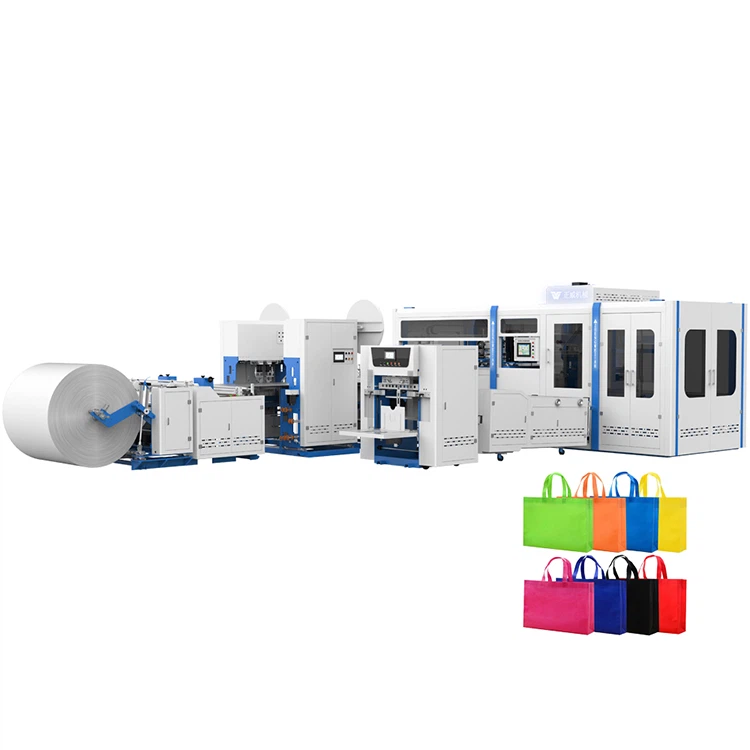
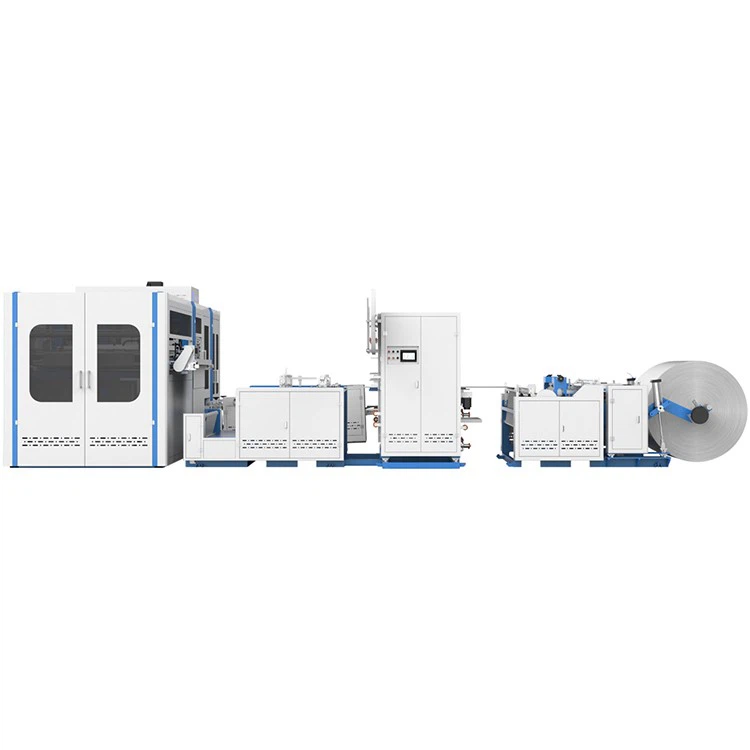
The foundation of productivity lies in the quality of your equipment. Investing in high-quality machinery ensures reliability, reduces downtime, and maintains consistent print quality. Whether you're using a paper carry bag making machine or a non-woven bag making machine, choosing equipment from reputable manufacturers can significantly impact your production efficiency.
Key Considerations:
Durability: Machines made from robust materials are less likely to break down and can handle long production runs.
Precision: High-quality machines offer better precision in cutting, printing, and folding, resulting in superior bag quality.
Support and Maintenance: Opt for manufacturers who provide excellent after-sales support and maintenance services.
Regular Maintenance and Calibration
Even the best machines require regular maintenance to operate at peak efficiency. Establish a routine maintenance schedule to check for wear and tear, clean components, and calibrate the equipment.
Tips:
Daily Checks: Before starting production, inspect key components such as rollers, print heads, and cutting blades.
Cleaning: Regularly clean the machine to prevent dust and ink buildup, which can affect print quality and machine longevity.
Calibration: Ensure your mini offset printing machine and other equipment are properly calibrated for accurate and consistent prints.
Optimize Print Settings
For businesses using mini offset printing machines or similar devices, optimizing print settings is crucial for achieving high-quality results without wasting materials or time.
Best Practices:
Ink Management: Use high-quality inks that are compatible with your machine and the materials you're printing on. This prevents issues like smudging and ink bleeding.
Color Calibration: Regularly calibrate your machine's color settings to maintain color consistency across batches.
Resolution: Adjust the resolution settings based on the design complexity and the material's texture. For detailed logos and fine prints, use a higher resolution.
Efficient Workflow Management
An organized workflow can drastically improve productivity. This involves not only the physical layout of your workspace but also the planning and scheduling of production runs.
Workflow Tips:
Layout Optimization: Arrange machines and workstations to minimize movement and reduce production time. For instance, place the square bottom paper bag making machine close to the printing station to streamline the process.
Batch Production: Group similar orders together to reduce setup times and material wastage. For example, if you're producing both non-woven bags and paper carry bags, schedule production in batches based on bag type and size.
Inventory Management: Keep an organized inventory of raw materials and inks. This prevents delays caused by shortages and helps in planning bulk purchases, which can reduce costs.
Train Your Team
A well-trained team is crucial for maximizing the productivity of your printing operations. Ensure that all operators are familiar with the machines and understand best practices for handling them.
Training Focus Areas:
Machine Operation: Train staff on the specific functions and controls of each machine, including the paper carry bag making machine and non-woven bag making machine.
Troubleshooting: Equip your team with the skills to quickly identify and resolve common issues, such as misalignment or ink smudging.
Safety Protocols: Emphasize the importance of safety procedures to prevent accidents and ensure a safe working environment.
Quality Control
Maintaining high-quality standards is essential for customer satisfaction and brand reputation. Implement a stringent quality control process to catch any defects early.
Quality Control Steps:
Pre-Production Checks: Before starting a print run, conduct a sample test to ensure all settings are correct and the print quality meets standards.
In-Process Inspections: Periodically check samples during the production run to catch any issues early.
Post-Production Review: After the production run, inspect a random sample of finished bags for any defects in print quality, color accuracy, and overall finish.
Basic Principle of Non Woven Bag Screen Printing Machine
Screen printing is a technique that involves transferring a design with a stencil onto a flat surface using a mesh screen, ink, and a squeegee. While fabric and paper are the most frequently used surfaces for screen printing, it is also possible to print on materials like wood, metal, plastic, and even glass by using specialized inks. The fundamental process entails creating a stencil on a fine mesh screen and then applying ink (or paint, for artwork and posters) by pushing it through the screen to imprint the design onto the underlying surface.
The process is sometimes referred to as 'silk screening' or 'silk screen printing', and although the actual printing process remains relatively consistent, the method of creating the stencil can vary depending on the materials utilized. Various stenciling techniques include:
Utilizing masking tape or vinyl to cover the desired areas of the screen.
Applying the stencil onto the mesh by using 'screen blockers' like glue or lacquer.
Employing a light-sensitive emulsion to produce a stencil, which is then developed in a similar manner to developing a photograph.
Maintenance Methods of the Non Woven Bag Screen Printing Machine
The whole machine of non woven bag screen printing machine is controlled by full touch screen, so the touch screen is easy to be damaged, so it is strictly prohibited to be hit or scratched by hard objects and sharp tools. The user shall wipe and oil the screen printing machine at least once a week as required;
Regularly check the filter water cup of the non woven bag screen printing machine for water accumulation, discharge the water once per shift, avoid bringing the water into the cylinder, and regularly add lubricating oil to each lubricating point to ensure the normal operation of the non woven bag screen printing machine equipment;
Before each start-up, it is necessary to know clearly the operation range of the machine, connect the air source and power supply, check the operation of the machine, and put it into production and use only when it operates normally;
Please keep the non woven bag screen printing equipment clean as much as possible. In case of any dirt, please use a soft and clean dry cloth to clean it. If the dirt is difficult to remove, add a little neutral detergent to clean it. It is strictly prohibited to use alcohol or diluent to clean it;
The main part of the equipment shall be disassembled, inspected and adjusted, including motor cleaning, inspection of technical status, replacement of lubricating oil, etc.; some parts meeting the specified wear limit shall be replaced, such as bearing key pin, electrical and pneumatic components, etc.
FAQ
Q: What is non woven bag screen printing machine?
Q: Advantages of non woven bag screen printing machine?
Q: How to choose non woven bag screen printing machine?
Q: Printing methods of non woven bag screen printing machine?
Q: Tips for maximizing productivity with non woven bag printing machine?
Q: Basic principle of non woven bag screen printing machine?
Q: Maintenance methods of the non woven bag screen printing machine?
Q: Non woven bag screen printing machine challenges?
Q: Preparation and printing process of non woven bag screen printing machine?
Q: Can you print on non woven bag screen printing machine fabric?
Hot Tags: Non Woven Bag Machine, China Non Woven Bag Machine manufacturers, suppliers, factory
You Might Also Like


Send Inquiry