


Waist-Line-Free Solutions: Material Efficiency, Quality and Validation
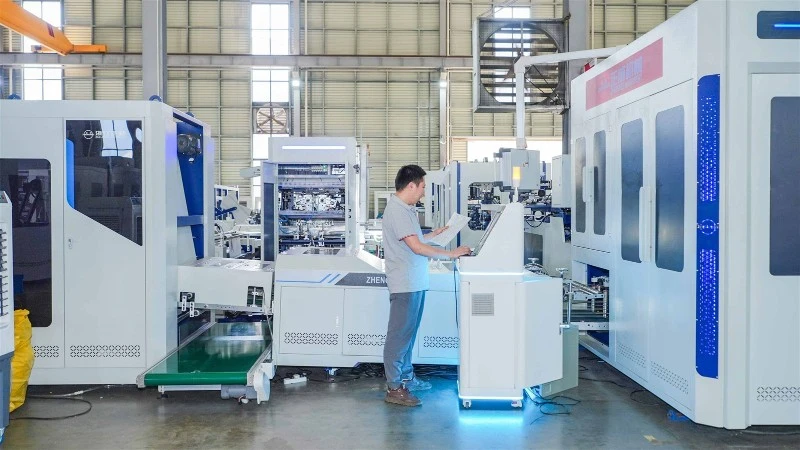
Paper bag manufacturers face pressure to reduce waste, improve resource efficiency, and provide credible sustainability information. A paper substrate alone does not guarantee compliance; adhesives, inks, coatings, handles, laminates, and other components may affect the final package.
Measure material yield, setup waste, reject rate, rework, energy intensity where measurable, and waste traceability. A waist-line-free machine may improve material utilization when its settings match the bag design. Verify this with the buyer's paper and dimensions.
Production bottlenecks are another challenge. High theoretical speed does not always mean high annual output. Changeovers, material waiting, adhesive adjustment, stoppages, quality checks, packing, and startup losses reduce good-bag output.
The correct target is good bags accepted per available production hour. Review run time, speed, quality, changeover losses, first-pass yield, paper consumption, labor hours, and recurring faults. Capacity creates value only when it becomes stable, saleable output.
Quality variation can lead to rework, complaints, returns, or lost customers. Inspection is important, but inspection alone cannot create stable quality.
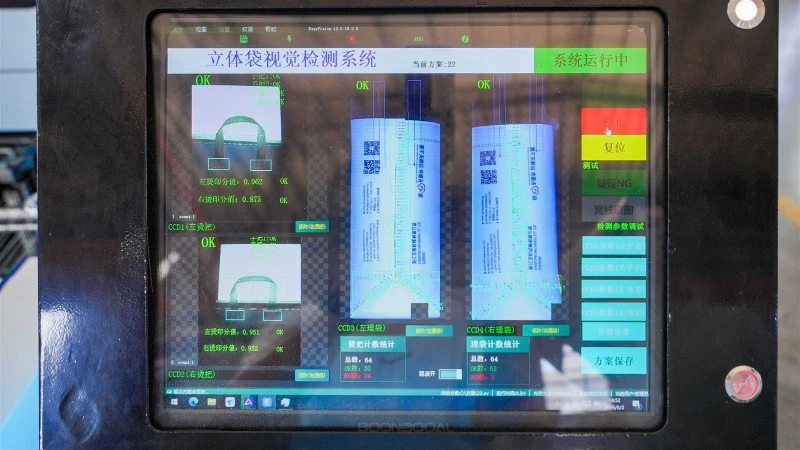
A validation plan should define dimensions, side-panel appearance, bottom construction, bonding, opening behavior, paper damage, print registration, and packaging condition. During a sustained trial, record operators, setup time, good-bag output, waste, downtime, and first-pass yield.
Before approving a machine, buyers should define the bottleneck, specify the target bag, run representative trials, calculate cost per accepted bag, and agree on commissioning and service support.
The strongest supplier connects forming, materials, quality criteria, production data, and lifecycle support.


